
FSS Project Status Update – H1 2026
Hello everyone,
this is our first bigger status update this year, and yes, we know it took a while.
A lot has been going on at FSS during the last months. Some of it is visible in the aircraft, some of it is deep inside the systems, tools, workflows, and future planning. Not all of this is easy to show in screenshots, but it is important work for where we want to go.
Many of you follow more than one FSS project, so we want to give you a broader overview of what is happening, what we are currently focusing on, and what comes next.
As always, aircraft development has a habit of making the final stretch feel like a project of its own. But the direction is clear: we want to build aircraft that we can continue to support, improve, and stand behind for the long term.
E-Jets
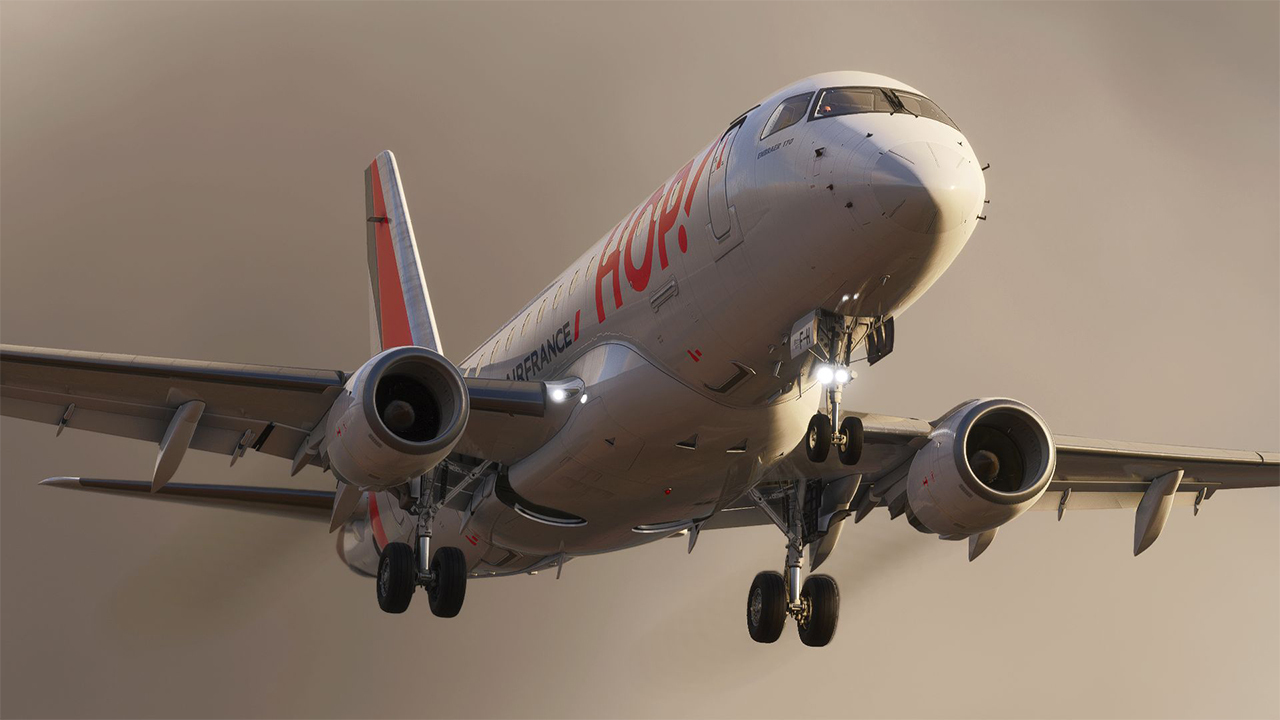
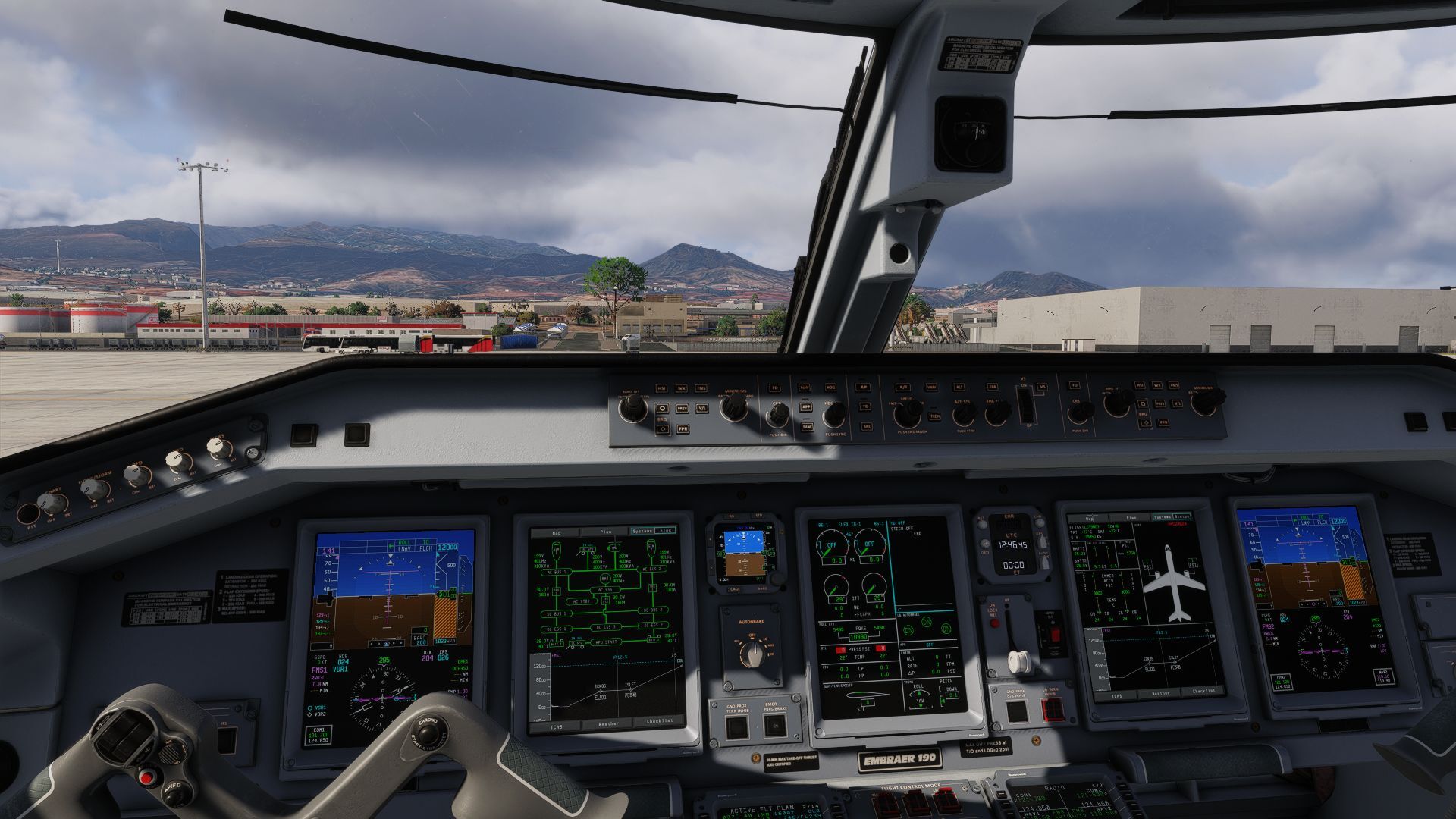
The E-Jets are now very close to being feature complete.
Most of the major functionality we wanted for version 1.0 is implemented or already in an advanced state. However, there are still two areas which need a lot of attention: remaining WASM crashes and a rather stubborn autopilot.
For the autopilot, we decided not to continue patching around the existing limitations. Instead, we are now rewriting the autopilot logic from the ground up.
The new autopilot is being developed without dependency on the default MSFS autopilot logic. This gives us much more control over the aircraft behavior. It also means that we can use the same foundation again in future FSS projects.
Of course, this is not the quickest solution in the short term. But we believe it is the correct solution for the long term.
Once this work is finished and tested properly, we can consider the E-Jets v1.0 milestone as completed. After that, we can focus more clearly on a native MSFS 2024 version.
We know that many of you have waited a long time for this point. It has also taken longer than we wanted. But the current work is not about adding more and more features. It is about making the aircraft stable and strong enough to move forward in the right way.
Boeing 727 v2
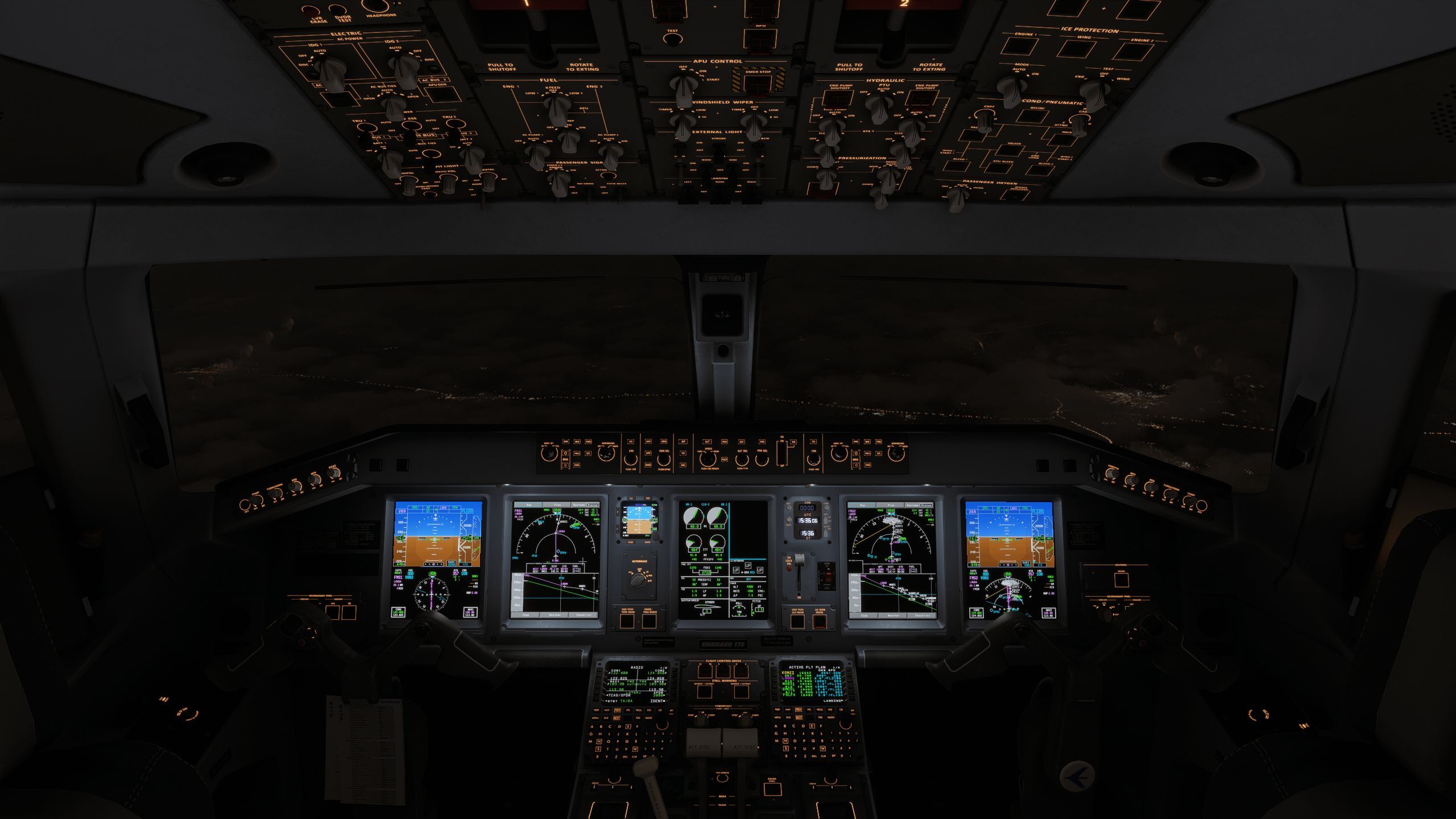
We have also started work on a new native MSFS 2024 version of the Boeing 727.
This will not only be a simple compatibility upgrade. The new version is planned to include new textures, an updated 3D model, and several smaller and bigger technical improvements.
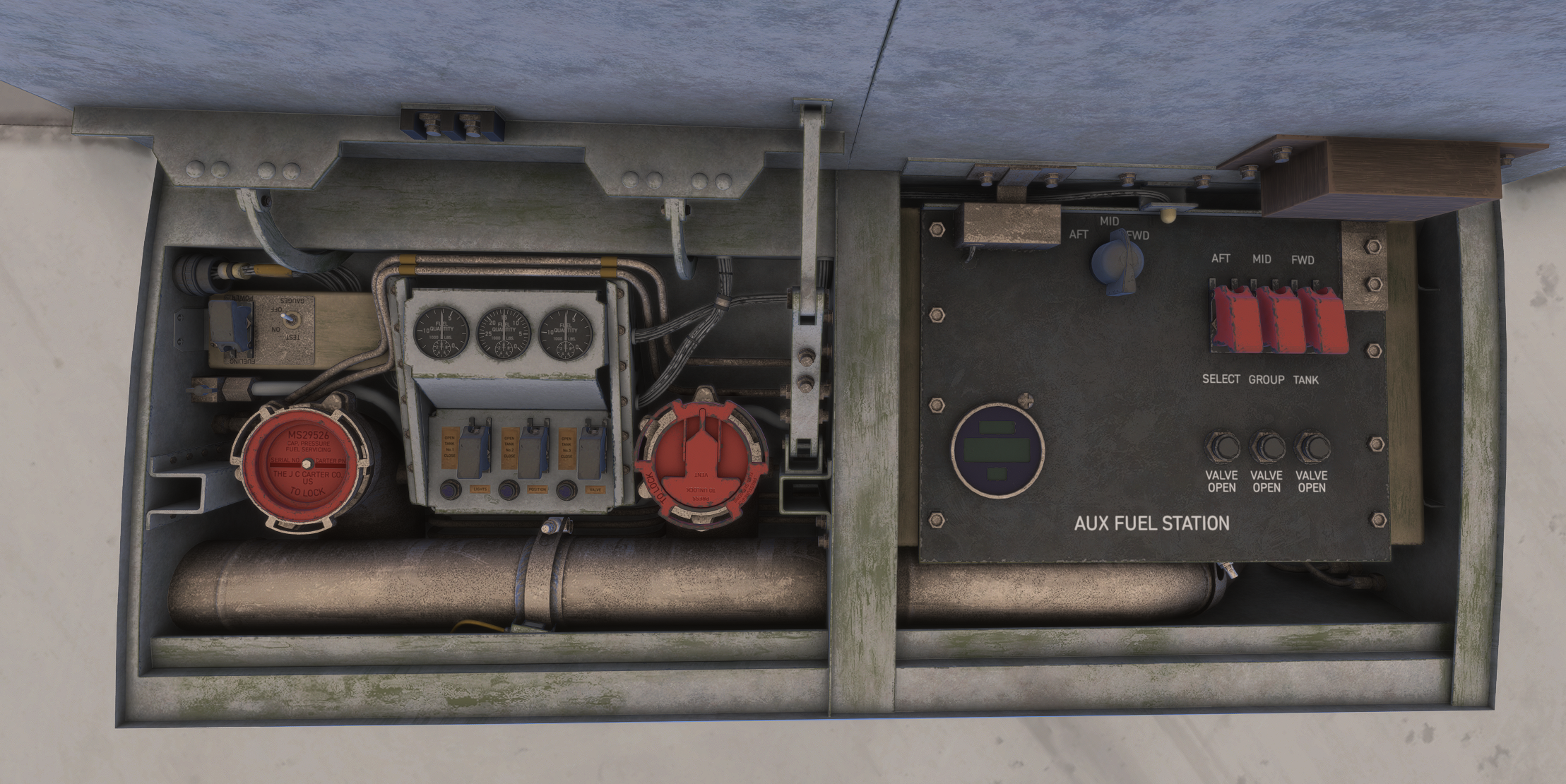
We are also planning to add the ADV version with auxiliary tanks and subsequently take this as the new base for the Super 27.
At the moment, we cannot give a timeline for this project. Work has started, but there is still a lot to do before we can talk about a release window in a serious way.
The 727 is a special aircraft for us, and we want the MSFS 2024 version to be a proper step forward, not just a quick conversion.
Tecnam P2012 Traveller v2
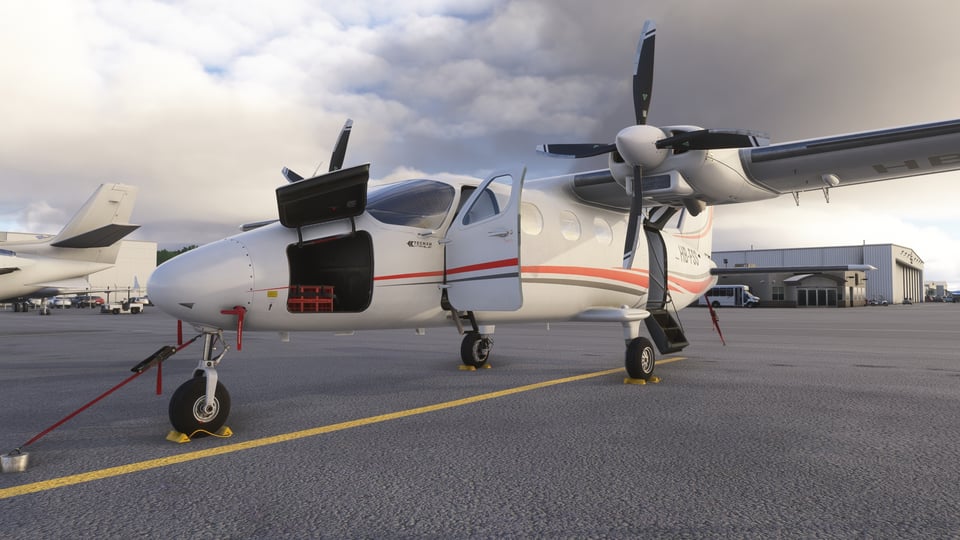
The Tecnam P2012 Traveller v2 is taking longer than originally planned, but there is a good reason for this.
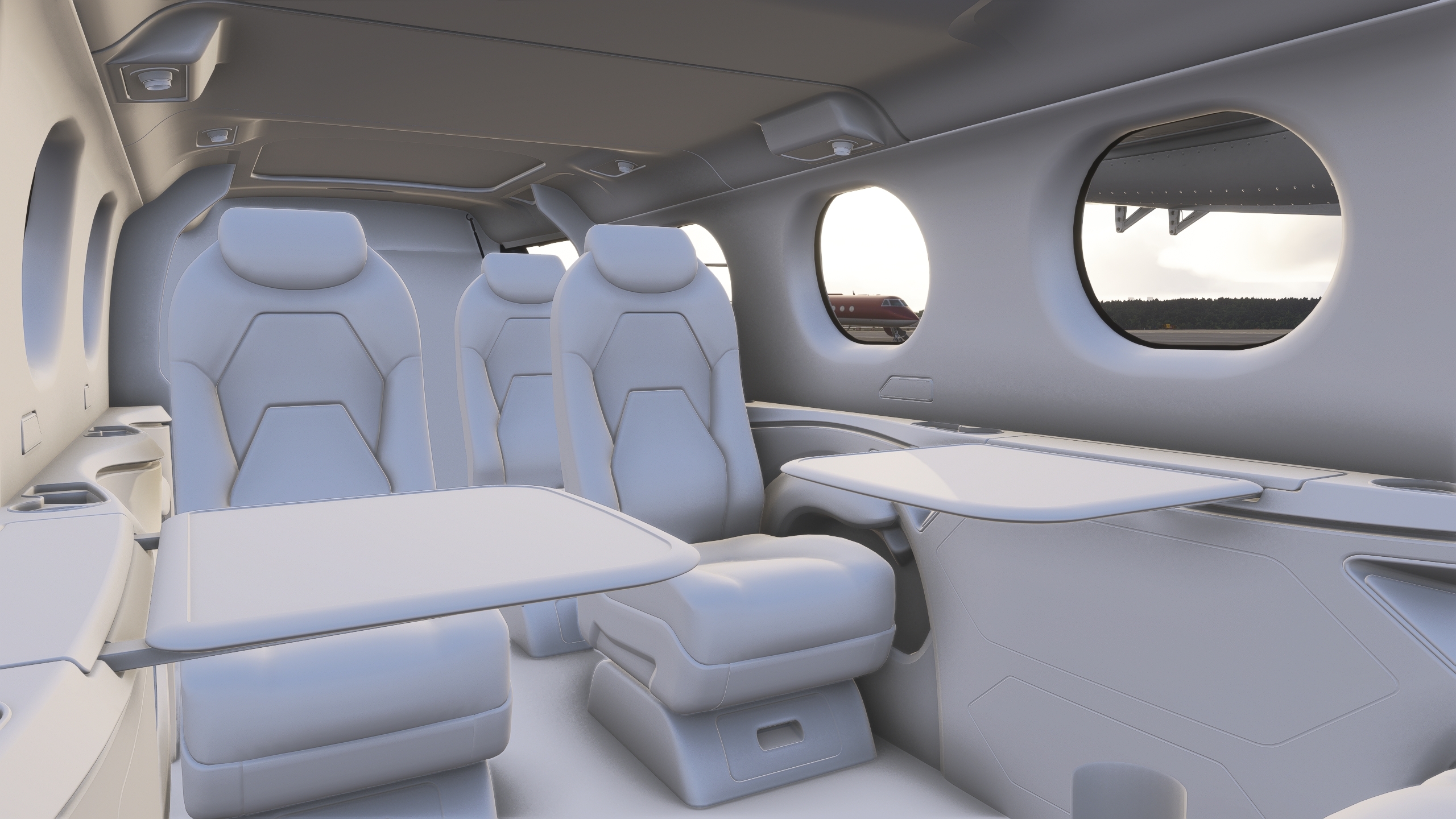
We decided to also include the new VIP version, which was recently announced at AERO Friedrichshafen. This made the update bigger, but also much more interesting and complete.
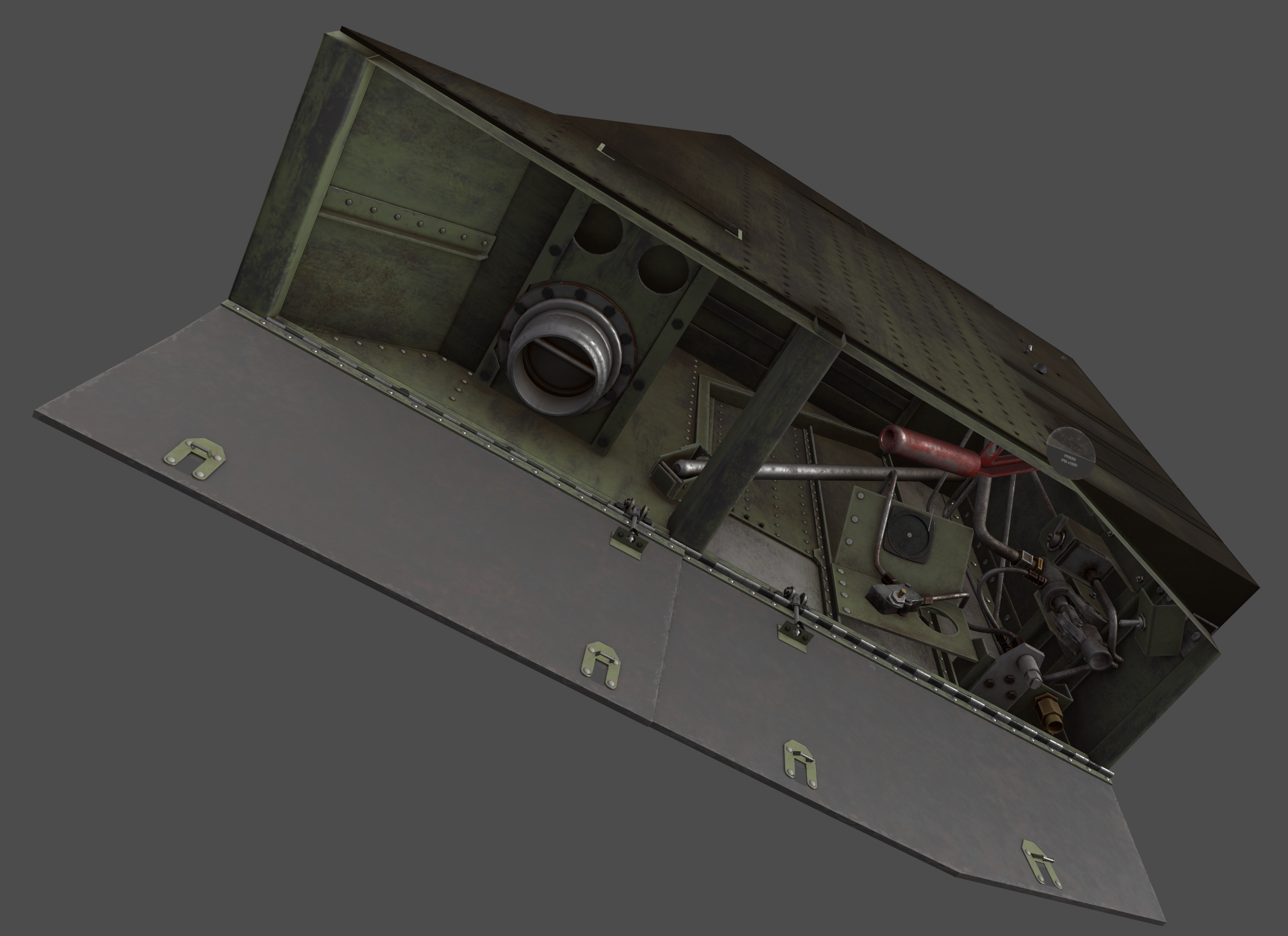
The aircraft already includes several native MSFS 2024 features. This includes the native EFB, walkaround mode, partial career mode compatibility, and MSFS 2024 3D passengers as well as different cargo types.
There is also a big sound update included. It has been improved a lot compared to the current version.
One of the main strengths of the P2012 v2 will be the number of different variants. The aircraft is planned to include passenger, cargo, VIP, special mission, and skydiver versions. All of them will be native MSFS 2024 versions.
The P2012 v2 is already in beta, and we are getting close to the finish line.
Tecnam P2006T v2
The Tecnam P2006T is also planned to receive a v2 update in the future. But this one will still take quite some time.
The P2012 is currently our testbed for many of the new native MSFS 2024 features and workflows. Once we are happy with this foundation, it will help us to bring similar improvements to the P2006T later.
We know that the P2006T has many dedicated users, and it remains part of our long-term plans.
Team, Partnerships, and What Comes Next
During the last months, we added new talents to the team and also closed some important new partnerships. These things mostly happen in the background, but they are very important for what we can do in the future.
Because of this growth, we were also able to start working on a new project, which we will announce at FSExpo in June.
It is something a bit unusual, but at the same time it fits very well to our DNA. There is also a bigger story behind it, and we are really looking forward to sharing more when the time is right.
Tune in on Saturday, June 13 at 10:30 CDT / 15:30 UTC via the FSElite livestream, or join our presentation on site.
A Note on Invisible Progress
A lot of development work is invisible until suddenly it is not.
Systems, stability, tools, workflows, and platform changes are not always exciting to show in screenshots. But very often, this is the work that decides if an aircraft can grow for many years, or if it only works for one release cycle.
This is where a lot of our focus has been recently: building stronger foundations, reducing long-term dependencies, improving our internal workflows, and preparing our aircraft for the future of the simulator.
We know that waiting for updates can be frustrating, especially when much of the work happens behind the scenes. But our goal is not to rush every project across the finish line only to show that something is moving.
Our goal is to make each aircraft stronger, more reliable, and better prepared for the future of the simulator.
Thank you for your patience, your feedback, and your continued support.